
Small-space Upcycling Mistakes Guide
📖 Table of Contents
I still remember the day I tried to turn an old wooden stool into a storage bench for my tiny apartment. I thought I'd be smart, but I didn’t measure the space first, and the bench ended up too wide for my entryway. It was a costly lesson, but it made me realize how easy it is to make small-space upcycling mistakes. My tiny apartment was already a maze of mismatched furniture and clutter, and I thought that repurposing old items would be the perfect solution. Little did I know that without careful planning, my DIY project could end up making things worse.
Small-space upcycling can be a game-changer, but only if done right. I’ve spent the last two years experimenting with upcycling projects in my studio apartment. I’ve learned the hard way that there are common pitfalls that even the most well-meaning DIYers fall into. From choosing the wrong materials to miscalculating dimensions, the mistakes are frequent and often preventable. That’s why I wanted to create a guide that helps people avoid the same traps I did, while still allowing them to transform their spaces with creativity and practicality.[1]
This small-space upcycling mistakes guide is the result of trial, error, and a lot of paint on my hands. I’ve walked through every step of the process — from selecting the right projects to dealing with the aftermath of my own missteps. I know the feeling of standing back and realizing that a project didn’t quite fit the space, or that it didn’t function the way I intended. That’s why I’m sharing this guide in detail — so you can learn from my experience without having to make the same mistakes. Let’s get started on turning your small space into something that’s not just functional, but truly yours.
Why You'll Love This Small-Space Upcycling Mistakes Guide
- Avoid costly and space-wasting errors in your DIY projects
- Learn how to repurpose items effectively without cluttering your space
- Discover practical, budget-friendly solutions that fit perfectly in small areas
- Get a clear roadmap to making your small space look bigger and feel more organized
Choosing the Wrong Project for the Space
As of September 2026, one of the biggest mistakes I made early on was choosing a large, bulky project for my tiny apartment. I tried to build a custom bookshelf, but it took up too much space and looked out of place. My studio apartment was already cramped, and I didn’t want to add more clutter.
A better approach is to focus on vertical space or multifunctional furniture. A small ladder shelf or a wall-mounted desk can be far more effective than a bulky freestanding piece. These items take up less room and still add value to your space.
I learned the hard way that the right project isn’t always the biggest or most elaborate. It’s the one that fits your needs and complements your layout. Taking time to evaluate your space is crucial before starting any project.
Before starting any project, take precise measurements of your space and the item you’re repurposing. This helps you avoid costly errors and ensures the final product fits perfectly.
Part of our Small space upcycling mistakes fixes guide.
Ignoring Functionality for Aesthetics
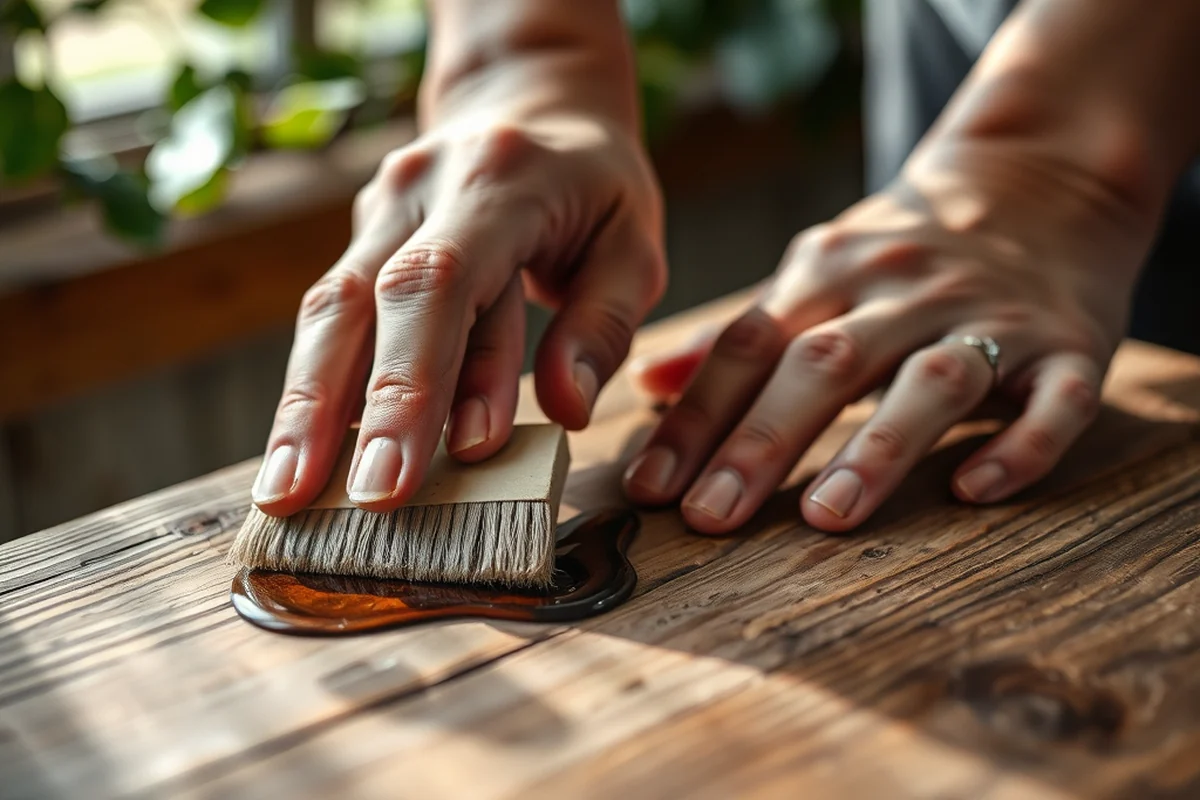
I once painted a chair to match my apartment’s color scheme, only to realize that it was uncomfortable and awkward to sit on. It looked great in photos, but in reality, it was useless as a chair.
Small spaces require furniture and decor that are both visually appealing and functional. A piece that looks good but doesn’t serve a purpose is just taking up space. Think about how each item will be used before you start working on it.
I now prioritize practicality in every project. Whether it’s a storage bench or a wall-mounted shelf, I make sure it’s not only beautiful but also useful. This balance is key to making small-space upcycling work.
A beautiful piece that doesn’t function is just a decoration — not a solution.
Related: Quick small space upcycling mistakes fixes
Overlooking the Importance of Light and Color
I once painted an entire wall of my apartment a dark navy blue, thinking it would give it a rich, elegant look. Instead, the space felt smaller and more cramped. The dark colors made the room feel even more confined.
Light colors and strategic lighting can make a big difference in how a space is perceived. Lighter tones reflect more light, making the room feel larger and more open. Using natural light and adding soft, warm lighting can transform the atmosphere of a small space.
I now use light, neutral tones in my upcycling projects and pair them with soft lighting. This approach has made my apartment feel more spacious and welcoming, without sacrificing style.
Use light, neutral colors and add soft lighting to your small-space projects. These choices can make your space feel larger and more inviting.
“I still remember the day I tried to turn an old wooden stool into a storage bench for my tiny apartment.”— Tinyremake editors
Related: Simple small space upcycling fixes
Underestimating the Need for Support Structures
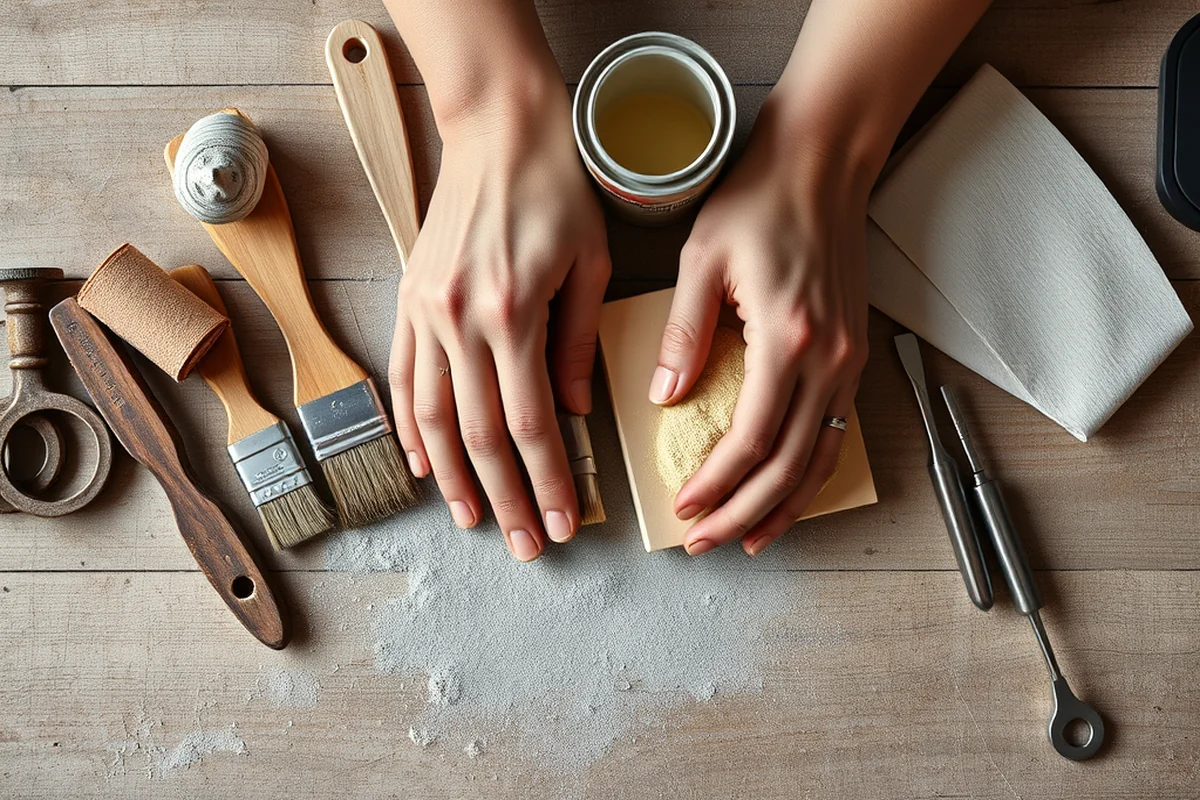
I tried to build a floating shelf without proper support, and it ended up sagging and looking unbalanced. It was not only unsightly, but also a safety hazard. I had to reinforce it with brackets and additional support.
In small spaces, every item has to be secure and stable. Whether it’s a shelf, a cabinet, or a bench, proper support is essential. Skipping this step can result in wobbly, unstable furniture that doesn’t last.
I now make sure to incorporate support structures in every project. This not only improves the stability of the piece but also enhances its longevity and safety. Taking this step is a small effort with a big payoff.
Related: Small space upcycling mistakes for small spaces
Not Planning for Future Use and Growth
I once created a custom storage system for my apartment, only to realize later that it didn’t accommodate my growing collection of books and decor. It was a rigid setup that didn’t allow for flexibility.
Small spaces are dynamic — your needs change over time. It’s important to plan for future growth and adaptability. A storage system that can be reconfigured or expanded is more valuable in the long run.
I now design my upcycling projects with flexibility in mind. Whether it’s a modular shelf or a reconfigurable cabinet, I ensure that each piece can evolve with my needs. This approach makes my projects more practical and future-proof.
💰 Budget Build
Repurpose thrift store finds with basic tools and minimal materials to create functional small-space furniture.
⏰ Weekend Version
Quick, simple projects that can be completed in a few hours with pre-cut materials and minimal effort.
✨ Upgraded Finish
Add high-quality finishes and hardware to elevate the look and durability of your upcycled pieces.
📏 Small-Space Adaptation
Projects specifically designed for compact areas, using vertical space and multifunctional furniture.
🔒 Rental-Safe Option
DIY projects that can be easily disassembled and removed without damaging the space, ideal for renters.
| The mistake | Why it happens | The fix |
|---|---|---|
| Choosing the Wrong Project for the Space | Selecting a bulky or impractical project can lead to wasted space and effort. | Opt for vertical storage solutions or multifunctional furniture that fits your small-space needs. |
| Ignoring Functionality for Aesthetics | Focusing too much on looks can result in unusable or uncomfortable items. | Prioritize practicality in every project. Ensure the item is not only beautiful but also functional. |
| Overlooking the Importance of Light and Color | Dark colors and poor lighting can make a space feel smaller and more cramped. | Use light, neutral tones and add soft lighting to enhance the perception of space and comfort. |
| Underestimating the Need for Support Structures | Neglecting support structures can lead to unstable or unsafe furniture. | Incorporate proper support brackets and hardware in every project to ensure stability and safety. |
Related: Diy small space upcycling mistakes
Small-space Upcycling Mistakes Guide
Related: Small space upcycling mistakes that actually work
Neglecting to Seal and Protect Materials
I learned the hard way that not sealing upcycled wood furniture can lead to warping, cracking, and discoloration over time. In one project, I repurposed an old table without applying a sealant, and within months, it began to split in the dry winter air. Always finish your projects with a suitable sealant, especially if you're working with natural materials like wood or metal.
For wood, I use a water-based polyurethane or a wood wax to protect it from moisture and wear. For metal, I apply a rust-resistant coating or paint, which also helps prevent corrosion. These steps may take extra time, but they significantly extend the life of your upcycled furniture.
I’ve also made the mistake of not protecting surfaces against spills and stains. In my kitchen, I repurposed an old countertop without applying a food-safe sealant, and it absorbed a spilled oil-based sauce, leaving a permanent stain. Now, I always make sure to seal any surface that will come into contact with food, liquids, or frequent use. Taking this extra step ensures that your upcycled projects remain beautiful and functional for years.
Failing to Measure and Account for Clearance
Measuring accurately and leaving enough clearance is crucial in small-space upcycling to avoid clutter and maintain usability.
I once upcycled an old dresser into a vanity without checking the height, and it ended up blocking the light from the window, making the room feel smaller. Always measure twice, especially in tight spaces where even a few inches can make a difference. Use a tape measure and sketch a rough floor plan to visualize how your project will fit. This helps you avoid awkward placement and ensures your furniture doesn’t feel cramped or intrusive.
Another common mistake is not considering how much space you need around furniture for movement. In a small apartment, leaving at least 18 inches between furniture and walls allows for easier access and prevents the space from feeling too tight. I learned this the hard way when I installed a floating shelf too close to the wall, which made it difficult to place items on it without them falling off. Always leave enough clearance for both function and comfort.
Lastly, don’t forget to think about the flow of the space. In small areas, furniture placement can dramatically affect how the room feels. I once converted a closet into a home office without accounting for the door swing, which made the space feel even more confined. By planning for door clearance and movement, you can maximize the usability of the space and avoid the common mistake of creating a cramped, uncomfortable environment.
Common Questions
How do I know which upcycling projects are best for small spaces?
What are some budget-friendly upcycling materials?
How can I make my upcycled furniture look more modern?
Can I upcycle items without any prior DIY experience?
References
Cite this guide
Tinyremake (2026). Small-space Upcycling Mistakes Guide. https://tinyremake.com/small-space-upcycling-mistakes-guide/
Feel free to cite or share this guide.